June 13, 2026
How Chronic Stress Impacts Your Sleep Patterns
Mindful Team
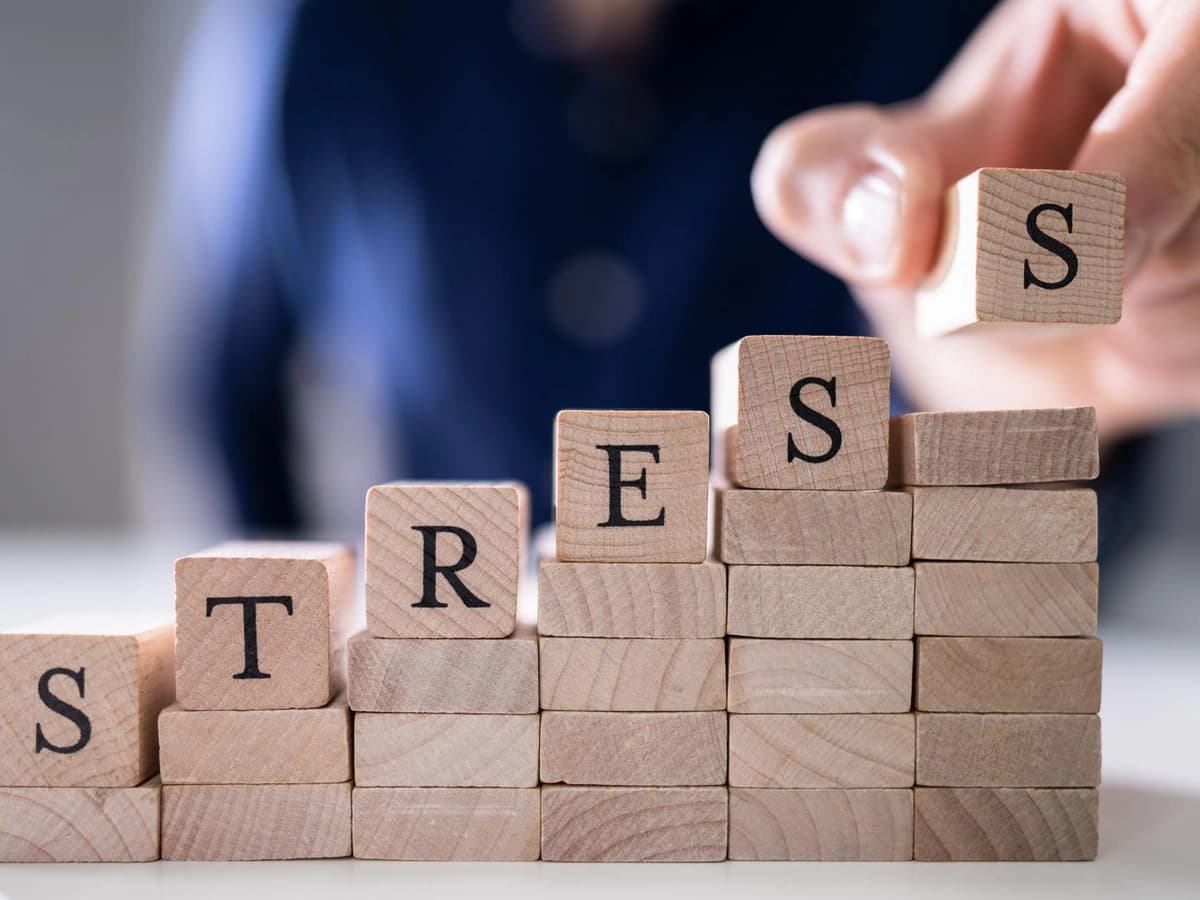
Struggling with nighttime waking? Understand the vicious insomnia stress cycle and learn proven habits to lower cortisol, calm your mind, and finally sleep.
You feel physically tired, but there is an alarm inside you that won't turn off. Your brain is constantly being stimulated to look for threats. Chronic stress is more than just making you grumpier; it actually changes how your brain and body respond to sleep, turning it into a nightly struggle.
What Is Chronic Stress?
Daily life brings many small hurdles, but chronic stress is a different beast that refuses to leave. It acts like a background noise that never stops, eventually changing how your body functions day and night.
Temporary vs. Constant Pressure
Normal stress acts like a quick spike that fades once a task is finished. Chronic stress stays high for weeks or months, never giving your nervous system a chance to reset.
Common sources include heavy workloads, unpaid bills, looking after a sick relative, or managing a long-term illness. When stress stays high, your brain thinks you are in constant danger, making it refuse to let you "power down" for deep rest your body needs to fix itself.
How the Stress Response System Works
The human body uses a complex network of signals to stay safe, often called the "fight or flight" response. When you face constant pressure, this system stays turned on, flooding your body with chemicals that are meant for emergencies, not for bedtime.
Component | Role in Stress | Impact on Sleep |
HPA Axis | The control center for stress signals. | Keeps the brain in an "active" state instead of a resting one. |
Cortisol | Known as the "stress hormone." | Normally drops at night; when high, it prevents deep sleep. |
Adrenaline | Provides a quick energy boost. | Increases heart rate and makes you feel physically restless. |
These biological changes make it nearly impossible for the nervous system to shift into a relaxed state. High levels of these hormones tell your brain that it is not safe to sleep, even if you are in a quiet, dark room.
How Your Natural Sleep Clock Should Work
Your body relies on an internal 24-hour clock called the circadian rhythm to tell it when to be awake and when to rest. This rhythm depends on a steady rise and fall of hormones that should happen at the same time every day.
The Stages of Rest
Sleep is not just one long block of time; it moves through stages like light sleep, deep sleep, and REM (dream sleep). Deep sleep is when your body repairs tissue and builds the immune system, while REM sleep helps you process emotions and memories.
The Role of Melatonin
Melatonin is the hormone that makes you feel sleepy as the sun goes down. In a healthy cycle, cortisol is high in the morning to help you wake up, and melatonin rises in the evening to help you drift off.

Rhythm Disruptions
When these two hormones are in balance, you fall asleep easily and wake up feeling refreshed. However, stress acts like a glitch in the system, causing cortisol to stay high when melatonin should be taking over the night shift.
Keeping this internal clock steady is the foundation of good health. Without a functional rhythm, your body loses its ability to repair itself and manage daily challenges.
What Chronic Stress Does to Your Hormones and Brain at Night
When you are stressed, your brain stays in a state of hyper-arousal, which means it is scanning for threats even when there are none. This prevents the natural transition into sleep and keeps your physical body tense.
- Tired but wired: High evening cortisol leaves you feeling exhausted but unable to stop your thoughts or relax your muscles.
- Melatonin block: Stress signals can actually delay the release of melatonin, making you feel wide awake at 11:00 PM.
- Physical tension: A racing heart, tight shoulders, and shallow breathing are all physical signs that your stress system is still active.
- Negative association: Over time, your brain starts to link your bed with frustration and worry rather than relaxation and safety.
This mental and physical state creates a barrier that prevents you from reaching the deeper, most restorative stages of sleep. Instead of resting, your brain spends the night "on guard," which leaves you feeling drained the next morning.
Specific Ways Chronic Stress Changes Your Sleep Patterns
Chronic stress changes the actual structure of your night, making sleep feel fragmented and unrefreshing. You might notice that even if you spend eight hours in bed, you wake up feeling like you haven't slept at all.
Difficulty Falling Asleep
This is often called sleep onset latency. Instead of drifting off within 15 to 20 minutes, you might lie awake for an hour or more, replaying the day's events or worrying about tomorrow's tasks.
Frequent Night Awakenings
Stress makes your sleep "fragile," meaning the slightest noise can wake you up. Many people under stress report waking up suddenly around 3:00 or 4:00 AM with a sense of dread or a racing mind, finding it very hard to fall back asleep.
Lack of Deep Sleep
Because the body stays alert, it often skips the deeper stages of sleep. You may spend most of the night in light sleep, leading to vivid, stressful dreams and a feeling of being semi-conscious throughout the night.
These changes are not just annoying; they prevent the brain from cleaning out toxins and storing information correctly. Fragmented sleep means you lose out on the physical and mental recovery you need to handle the next day's stress.

The Vicious Cycle of Sleep and Stress
Poor sleep and high stress feed into each other, creating a downward spiral that is hard to break.
Daytime Effects
During the day, a lack of sleep leads to brain fog, irritability, and poor concentration. You might find yourself snapping at coworkers or feeling overwhelmed by basic chores that usually seem easy.
Lowered Resilience
A tired brain is more likely to see the world as threatening. This means your stress levels rise even higher because you lack the mental energy to cope, which then makes the following night's sleep even worse.
Emotional Struggles
Long-term sleep loss linked to stress can lead to persistent anxiety or a low mood. This happens because the parts of the brain that regulate emotions cannot function properly without enough REM sleep.
Breaking this cycle requires addressing both the mental stress and the physical sleep habits at the same time. If only one side of the problem is managed, the other will likely pull you back into the cycle.
Long-Term Health Risks of Stress-Related Sleep Disruption
Missing out on quality sleep over several months or years can have serious effects on your physical health. Sleep is a vital biological function, and without it, many of your body's systems begin to struggle.
System | Long-term Impact |
Immune System | Higher risk of getting sick and slower recovery times from illness. |
Metabolism | Changes in hunger hormones can lead to weight gain and blood sugar issues. |
Heart Health | Increased risk of high blood pressure and other cardiovascular problems. |
Mental Health | Higher vulnerability to developing clinical anxiety or depression. |
Quality sleep is a pillar of health, just like nutrition and exercise, and protecting it is a form of long-term self-care.
Practical Habits to Improve Sleep Quality
While you cannot always eliminate the sources of stress in your life, you can change how you prepare for rest. Small, consistent changes to your routine can signal to your brain that it is finally safe to relax.
- Create a buffer zone: Dedicate the hour before bed to non-stimulating activities. This means putting away phones and laptops, as the blue light and information flow keep your brain alert.
- Write it down: If racing thoughts keep you awake, try a "brain dump" earlier in the evening. Write down everything you need to do tomorrow or everything that is worrying you to get it out of your head.
- Cool and dark: Make your bedroom a cave. A cool room (around 65°F or 18°C) and total darkness help trigger the body's natural sleep signals.
- Steady schedule: Go to bed and wake up at the same time every day, even on weekends. This trains your internal clock to expect sleep at a specific time.
Consistency is more important than perfection. By repeating these habits, you teach your nervous system to slowly dial down its alertness as the night approaches.
Break the Cycle of Stress and Insomnia
Ongoing sleep struggles require more than just patience. When your mind refuses to go quiet, small changes in your daily routine and professional support can help you regain control.
- Log your rest: Tracking sleep times helps a doctor spot patterns.
- Get expert help: Therapy or stress coaching builds better coping skills.
- Respect your rest: Make sleep a top health priority.
FAQs
Q1: How do I know that the cause of my sleep problem is stress?
Sleep problems caused by stress usually vary depending on the events happening in your life. For instance, if you sleep better on weekends, on vacation, or after completing a major project, then stress is likely the main cause. In most cases, people who have sleep problems resulting from stress complain of having a racing mind or physical tension when they are trying to fall asleep.
Q2: Can long-term stress cause permanent damage to my sleep?
Stress can deeply interfere with your sleep, but your sleep patterns are usually very adaptable. Your brain can be conditioned to associate the bed with relaxation through healthy habits and reduced stress. Most people find that their sleep returns to normal once their stress is under control and good routines are established.
Q3: Will just sleeping more fix my chronic stress?
Improving sleep is a powerful tool for reducing stress, but it is often only one part of the solution. Better rest improves your mood and ability to think clearly, which helps you handle pressure. However, if the external causes of your stress remain unchanged, you may need to combine better sleep habits with lifestyle changes.

Written by
Mindful Team