March 17, 2026
Sleep Restriction Therapy Explained: A Step-by-Step Guide for Better Sleep
Mindful Team
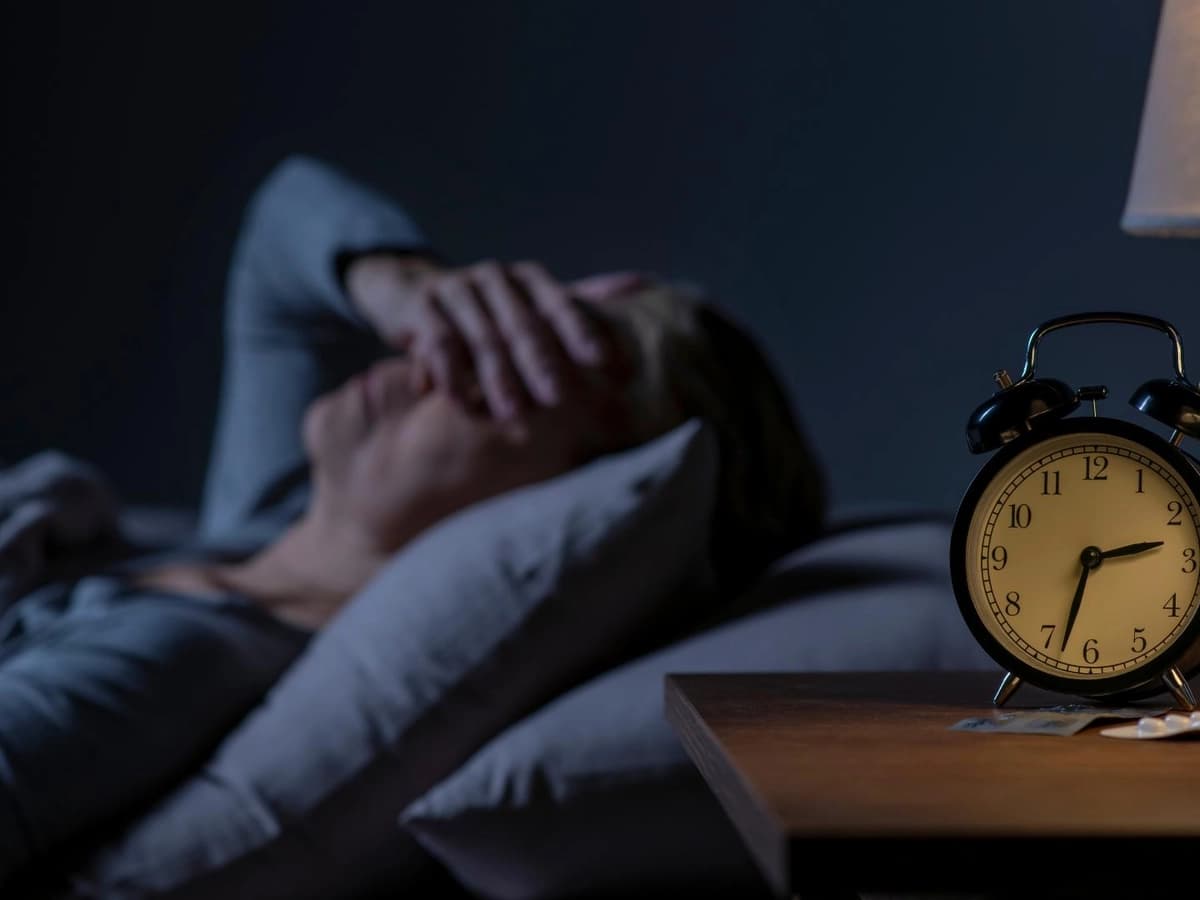
Fix fragmented sleep with a clear 5-step Sleep Restriction Therapy plan. Use a sleep diary, set your sleep window, and boost sleep efficiency safely.
Many people struggling with insomnia fall into a common trap. You didn't sleep well last night, so you decide to go to bed an hour early tonight or sleep in late tomorrow morning to "catch up." While this seems logical, spending excessive time in bed often fragments your sleep further and creates a psychological link between your bed and being awake. Sleep Restriction Therapy (SRT) offers a solution by temporarily limiting your time in bed to match the actual amount of sleep you get, effectively resetting your body's natural drive for rest.
Why Spending More Time in Bed Makes Insomnia Worse
Your brain learns through association. If you lie in bed awake for hours, you inadvertently teach your body that the bed is a place for worry, thinking, and frustration rather than rest. This behavior creates a cycle of conditioned anxiety that keeps you awake. To understand why this happens, medical professionals look at "sleep efficiency." This metric compares the time you spend in bed versus the time you are actually asleep.
- Low Sleep Drive: Spreading six hours of sleep over nine hours in bed dilutes your body's natural hunger for sleep (homeostatic sleep drive).
- Weakened Rhythm: Irregular schedules confuse your internal body clock, making it harder to fall asleep at the right time.
- Fragmented Rest: Low sleep pressure leads to light, broken sleep rather than deep, restorative stages.
SRT reverses this process. By temporarily reducing your time in bed, you build up a strong physical need for sleep, which helps you fall asleep faster and stay asleep longer.
What Is Sleep Restriction Therapy and What It Isn't?
Sleep Restriction Therapy is a structured behavioral intervention used to treat chronic insomnia. It works by compressing your sleep window to eliminate long periods of wakefulness during the night.
Core Principle: Compression
SRT focuses on quality over quantity initially. The method restricts your time in bed to match your average sleep duration. This consolidation forces the brain to utilize the available time for sleep rather than tossing and turning.
The Goal: Resetting Physiology
The primary objective is to increase homeostatic sleep drive. When you stay up until you are truly exhausted, your body enters deep sleep stages more rapidly. Simultaneously, sticking to a rigid schedule re-establishes a strong circadian rhythm.
Clarification: Structured Therapy
This process differs from simple sleep deprivation. Sleep deprivation is random and often harmful. SRT is a calculated, therapeutic reduction of time in bed designed to improve long-term sleep efficiency.
Five Steps to Start Your Sleep Restriction Therapy Plan
Implementing this therapy requires discipline and a strict adherence to a schedule for several weeks. Below is a detailed protocol to help you calculate your window and adjust it safely.
Step 1: Keep a Sleep Diary
You cannot manage what you do not measure. For at least one or two weeks prior to changing your schedule, record your sleep habits every morning. Do not rely on memory, as it is often inaccurate regarding how much you actually slept. You need to track four specific data points:
- Bedtime: The time you physically got into bed.
- Wake Time: The time you got out of bed for the day.
- Total Time in Bed (TIB): The duration between the two times above.
- Total Sleep Time (TST): Your best estimate of how long you were actually asleep, subtracting the time it took to fall asleep and any awakenings during the night.
Step 2: Calculate Your Initial Sleep Window
Once you have your diary data, calculate your average Total Sleep Time over the tracking period. This average becomes your new "allowed" time in bed. For example, if you spent 9 hours in bed each night but only slept an average of 6 hours, your new sleep window is exactly 6 hours.
Safety Rule: Never set your sleep window below 5.5 hours, even if you average less than that. Going below this threshold can be dangerous and counterproductive.
Step 3: Set Your Unbreakable Schedule
Consistency is vital for resetting your body clock. Choose a wake-up time that is realistic for your lifestyle and stick to it seven days a week, regardless of how well you slept. Work backward from this wake-up time to find your new bedtime.
For example, if your window is 6 hours and you must wake up at 7:00 AM, your prescribed bedtime is 1:00 AM. You are not allowed to go to bed before 1:00 AM, even if you feel sleepy.

Step 4: Follow the Weekly Adjustment Rule
After adhering to your new schedule for a full week, calculate your weekly average Sleep Efficiency (SE). The formula is: (Total Sleep Time ÷ Total Time in Bed) × 100.
- If SE is greater than 90%: You are sleeping solidly. Add 15 minutes to your sleep window by going to bed 15 minutes earlier.
- If SE is between 85% and 90%: You are in a stable zone. Keep your schedule exactly the same for another week.
- If SE is less than 85%: You are still spending too much time awake. Decrease your sleep window by 15 minutes (ensuring you do not drop below the 5.5-hour safety limit).
Step 5: Gradually Return to Your Ideal Sleep Duration
Continue the weekly reviews. As long as your efficiency stays above 90%, keep adding 15-minute increments. Eventually, you will reach a point where your efficiency drops slightly or you feel fully rested during the day. This is your optimal sleep duration.
Success with SRT comes from following the math rather than your feelings. Trust the numbers from your sleep diary to guide your weekly adjustments.
Common Mistakes That Stop Sleep Restriction Therapy From Working
Even with a perfect plan, certain behaviors can undermine your progress and reset the cycle of insomnia. This section highlights four specific pitfalls you must avoid to ensure the therapy is effective.
- Daytime Napping: Napping relieves the sleep pressure you are trying to build. If you nap, you steal that "hunger" for sleep from the coming night, making it harder to fall asleep at your designated time. You must stay awake until your window opens.
- Cheating the Bedtime: Going to bed 20 minutes early because you had a hard day weakens the association you are building. It is critical to keep your eyes open until the clock hits your scheduled time.
- Sleeping In on Weekends: Your brain does not know it is Saturday. Waking up late creates "social jetlag," shifting your circadian rhythm and making it impossible to fall asleep at the right time on Sunday night.
- Staying in Bed While Awake: If you wake up during the night and cannot fall back asleep after about 20 minutes, get out of bed. Go to another room and do something quiet until you feel sleepy again. Lying in bed awake reinforces the old insomnia patterns.
Avoiding these errors requires significant willpower, especially in the first few weeks. Remind yourself that these rules are temporary tools to fix a long-term problem.
Who Should Avoid Sleep Restriction Therapy for Safety
While SRT is highly effective for many, it places stress on the body and is not suitable for everyone. Certain medical conditions or lifestyle factors make sleep restriction risky without professional guidance.
Condition / Factor | Why SRT May Be Risky |
Bipolar Disorder | Sleep loss can trigger manic episodes. This therapy should only be attempted with a psychiatrist's strict supervision. |
Seizure Disorders | Sleep deprivation is a known trigger for seizures in individuals with epilepsy. |
Untreated Sleep Apnea | Restriction can worsen daytime sleepiness, which is already a symptom of apnea, increasing cardiovascular stress. |
High-Risk Professions | If you operate heavy machinery, drive long distances, or work as a pilot or surgeon, the temporary drop in alertness can be fatal. |
If you fall into any of these categories, do not attempt this alone. Always consult a healthcare provider to discuss alternative treatments or modified versions of this therapy.
Take Control of Your Sleep Schedule Today
Insomnia often feels like a loss of control, but with Sleep Restriction Therapy, you have a concrete plan to take control of your sleep. By sticking to this tight schedule and tracking your progress, you can train your mind to sleep soundly again. Keep a sleep diary tonight and begin your journey toward the restorative rest you deserve.
FAQs About Sleep Restriction Therapy
Q1: How soon can I see results from Sleep Restriction Therapy?
Typically, most people notice an improvement in their sleep quality within two to four weeks. The first week can be really tough because of daytime tiredness, but when your body gets used to your new schedule, it will become an easy task to fall asleep and stay asleep.
Q2: How does Sleep Restriction Therapy differ from Stimulus Control Therapy?
Sleep Restriction aims at restricting time in bed in order to maximize sleep drive. Stimulus Control aims at breaking the association existing between the bed and wakefulness, such as getting out of your bedroom if you are unable to sleep. Usually, both approaches can be used in combination for the best results.
Q3: Can I drink coffee or alcohol during SRT?
Try to avoid caffeine after noon, as it can stay in your system for hours and mask sleepiness. Alcohol consumption should also be avoided close to bedtime because it can increase sleep fragmentation later in the night, which lowers your sleep efficiency and defeats the purpose of the therapy.

Written by
Mindful Team