May 26, 2026
Stress vs. Anxiety: What Is the Difference and Why It Matters
Mindful Team
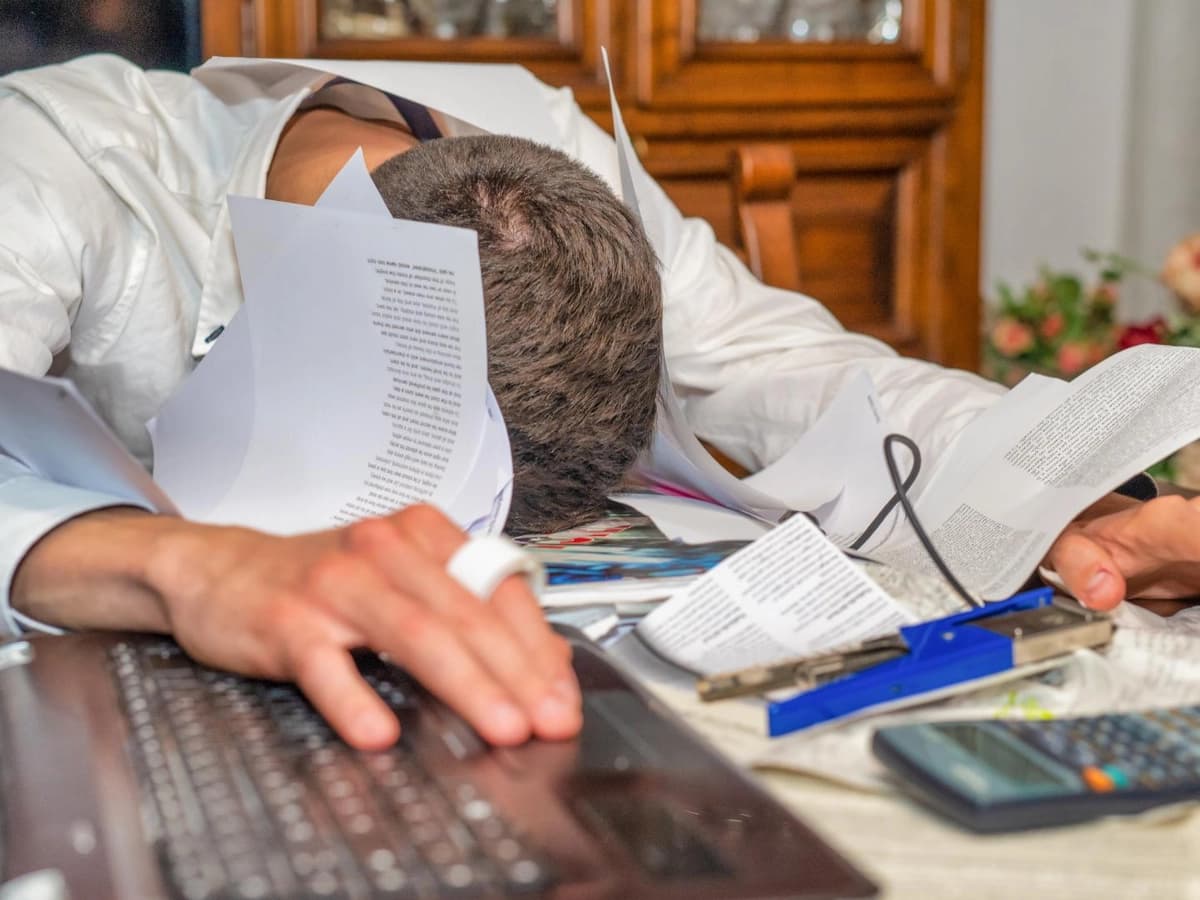
Confused whether it's stress or anxiety? Understand stress vs anxiety—origin, duration, and symptoms—with clear steps to calm your body and regain control.
The experience of having an active heart and restless nights is similar, but what's causing them may not be the same. Many people confuse stress and anxiety. These are two things that need different solutions in order to be relieved. Knowing whether your pressure is caused by your busy schedule or a worried mind changes your path to peace.

What Is Stress as a Here and Now Response
Stress acts as a natural physical and mental reaction to an external cause, often referred to as a "stressor." This response is a survival mechanism designed to help you navigate immediate challenges in your daily life.
Feature | Description of Stress |
Origin | Triggered by an external event like a deadline, an argument, or a financial bill. |
Function | Activates "fight or flight" mode to provide the energy needed to solve a problem. |
Duration | Generally short-term; the feeling fades once the external pressure is removed. |
Focus | Tied to the immediate present and the specific task at hand. |
Stress serves a practical purpose. It forces you to complete a task or to react quickly when there is an emergency. Once the event is passed, your body returns to its normal relaxed condition.
What Is Anxiety as a What If Reaction
Anxiety represents your body's reaction to stress that lingers even after the original trigger has disappeared. It is often an internal experience focused on future uncertainties rather than immediate, tangible problems.
- Internal Focus: Anxiety is driven by your own thoughts and perceptions rather than a specific external event.
- Catastrophizing: It often involves imagining the worst possible outcomes for situations that haven't happened yet.
- Persistent Presence: A sense of dread or unease remains even when your external circumstances are stable and safe.
- Non-functional Worry: Unlike the helpful push of stress, anxiety can feel paralyzing and may not lead to productive solutions.
This "background noise" of worry can make it difficult to enjoy the present moment. Because it lives in the mind, it does not simply vanish when a task is completed or a conflict ends.
Stress vs. Anxiety: Differences You Should Know
Knowing the specific characteristics of both states can help you identify the most effective way to deal with them. These states can be very similar when felt by the body, but the source, the duration, and the emotional impact are all different.
1. Origin: External vs. Internal
Stress starts on the outside. It is linked to your job, your kids, or your bank account. If you could remove the specific person or event causing the pressure, the feeling would likely go away. Anxiety starts on the inside. It is fueled by your thoughts about your job or your kids. Even if the external situation is fine, the internal worry persists because the source is your mental processing of potential threats.
2. Duration: Temporary vs. Lingering
Stress follows the timeline of the event. If you are stressed about a presentation, that feeling usually ends the moment you sit down after speaking. Anxiety is more like a stubborn guest. It hangs around long after the "event" is over, or it might exist without any clear event at all. It feels like a constant state of high alert that does not have an "off" switch.
3. Emotional Flavor: Frustration vs. Fear
The "vibe" of these two states is subtly different. Stress often manifests as irritation, frustration, or a sense of being rushed. You might feel like there aren't enough hours in the day. Anxiety feels more like fear, dread, or helplessness. It carries a heavy weight of "something bad is going to happen," even if you cannot name exactly what that bad thing might be.
If you can figure out what's causing the unease, you're probably dealing with stress. If it's unclear and stays the same, it's probably anxiety.
Stress vs. Anxiety: Different Problems Need Different Solutions
Once you knew the answer of the question, "Am I Stressed or Anxious?" you can apply the right strategy to lower your heart rate. Using a "stress solution" for an "anxiety problem" rarely works, and vice versa.
Strategies for Stress are Action Oriented
Because stress is a response to a situation, the best way to fix it is to address the situation itself. This might involve:
- Breaking large tasks into small, manageable steps to reduce the feeling of being overwhelmed.
- Asking for help or passing tasks to others to lighten your load.
- Saying "no" to new commitments when your plate is already full.
- Facing the conflict or the bill directly to remove the stressor from your life.
Strategies for Anxiety are Mindset Oriented
Anxiety lives in the mind, so the solution involves changing how you relate to your thoughts. Effective tactics include:
- Mindfulness: Staying grounded in the physical sensations of the present moment to stop the "what if" cycle.
- Cognitive Regulation: Challenging negative thoughts and replacing them with more balanced, realistic views.
- Controlled Breathing: Using slow, deep breaths to signal to your nervous system that you are safe right now.
- Accepting Uncertainty: Learning to live with the fact that not everything can be predicted or controlled.
Choosing the right tool for the job prevents you from spinning your wheels. Taking action solves stress, while practicing emotional regulation calms anxiety.
When to Seek Professional Support
Sometimes, the line between daily challenges and a clinical condition becomes blurred. It is a wise idea to be aware of the fact that your emotions may be an indication of a serious issue with anxiety that requires the assistance of a professional.
- Physical Toll: You experience regular panic attacks, frequent headaches, or unexplained digestive issues.
- Daily Interference: Your worry prevents you from going to work, attending social events, or completing basic chores.
- Duration: The feelings of dread or high tension have lasted for six months or longer (typically 6 months for diagnosis, but don't wait that long if suffering).
- Avoidance: You have started changing your life to avoid certain people or places because they trigger overwhelming fear.
If your symptoms are overwhelming you, you can have an honest conversation with your doctor or therapist, who will help you have a clear plan for your recovery. Seeking help early can prevent your emotions from harming your body and mind for an extended period of time.
Manage Your Mental Health Today
Stress is a reaction to a situation, while anxiety is a reaction to the stress itself. To start feeling better, ask yourself if you can name the specific problem causing your discomfort. If solving that problem brings relief, you are experiencing stress, then please focus on taking action. If the worry stays with you regardless of the situation, you are likely dealing with anxiety. In this situation, just focus on coping skills and calming your mind.
FAQs About Stress vs. Anxiety
Q1: Can chronic stress turn into anxiety?
Constant, unmanaged stress keeps the body's alarm system in a permanent state of high alert. Over time, this causes the brain to anticipate danger in many different situations. This will result in short-term stress being converted into a state of anxiety, and your mind will feel unsafe even when there is no danger.
Q2: Do stress and anxiety have the same physical symptoms?
Both trigger the release of hormones such as cortisol and adrenaline in the body, which leads to the same physical symptoms, including a racing heart, muscle tension, and disrupted sleep. Since the body responds similarly to real and perceived threats, it is difficult to distinguish between them solely on physical symptoms.
Q3: Can I experience both stress and anxiety simultaneously?
Yes. It is common when someone goes through a tough life experience, like a divorce or a loss of a job, while experiencing general anxiety issues. The issues on the outside can be stressful, while the thoughts within the mind can build up the anxiety levels. Handling the external problems can reduce the overall intensity of anxiety.
Written by
Mindful Team