May 23, 2026
Vyvanse and Caffeine: A Guide to Safely Managing Your Intake
Mindful Team
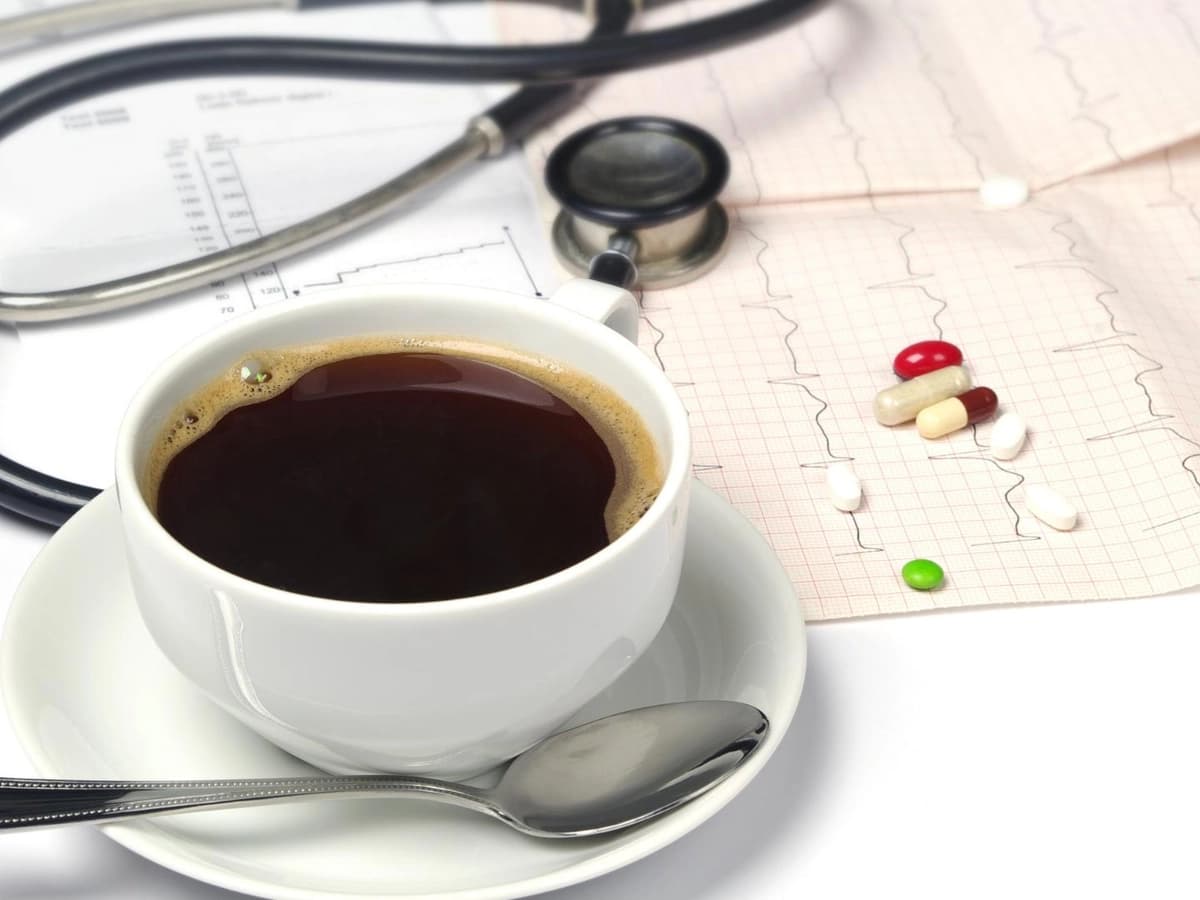
Why does coffee sometimes cause jittery on ADHD meds? Learn the '1+1=3' stimulant effect, how personal tolerance varies & safer swaps like half‑caff or decaf.
For many people with ADHD, the day starts with a routine that feels like second nature: taking a prescribed dose of Vyvanse and reaching for a warm cup of coffee. While this combination might seem like the ultimate productivity boost, mixing two powerful stimulants can sometimes lead to unexpected physical and emotional side effects.

Why Vyvanse and Caffeine Interactions Matter
While both substances are used to sharpen focus, they target your nervous system in different ways, and combining them can create a much stronger reaction than you might expect.
- How Vyvanse Works: This medication is a prodrug that converts into dextroamphetamine once it enters your bloodstream. It helps regulate attention by increasing the levels of dopamine and norepinephrine in the brain.
- How Caffeine Works: Caffeine acts as a nervous system stimulant by blocking adenosine, a chemical that tells your brain it is time to sleep. This process triggers a release of adrenaline, which provides that familiar "jolt" of energy.
When you take Vyvanse and caffeine together, they don't just add up; they multiply. This "1+1=3" effect occurs because both substances cause vasoconstriction, or the narrowing of blood vessels.
This dual action puts extra stress on your cardiovascular system, causing your heart rate and blood pressure to climb higher than they would with either substance alone. Combining these stimulants can push your body into a state of "over-drive" rather than just helping you focus. Monitoring how your body reacts to this pairing helps ensure your medication does its job without causing unnecessary physical strain.
Potential Side Effects of Mixing Vyvanse and Caffeine
While the goal is better focus, the actual result can be a range of uncomfortable symptoms that affect your heart, nerves, and sleep. You can learn the side effects in detail as follows.
- Impact on Heart Health: As mentioned earlier, both Vyvanse and caffeine are stimulants that cause your heart to beat faster. They also narrow your blood vessels, which raises blood pressure. If you already have hypertension or heart concerns, this extra strain can be risky.
- Nervous System and Anxiety: Too much stimulation often triggers "the jitters." You might feel restless, shaky, or find that your mind is racing with anxious thoughts rather than staying calm and productive.
- Disrupted Sleep Patterns: These medications will stay in your system for many hours. When you combine them and take them during the later hours of the day, it can disrupt your sleep patterns, and you can end up feeling tired the next morning.
- Personal Differences in Tolerance: Each person has a unique "biological thermostat." A dose of coffee that feels fine for one person might cause severe side effects for another. It is vital to pay attention to your own body rather than following what others do.
Watching for these signs helps you catch a problem before it becomes a daily struggle. If you notice these symptoms regularly, reducing your caffeine intake is often the most effective solution.
Strategies for Safe Caffeine Use with ADHD Medication
Finding a balance that works for your lifestyle is possible if you follow a few basic safety steps. You do not necessarily have to give up your favorite beverage to stay healthy on Vyvanse. Success comes down to being intentional about when and how much you drink so that your medication remains the primary tool for managing your symptoms.
Wait for Your Body to Adjust
If you are starting Vyvanse for the first time or recently changed your dose, your body needs a baseline. Medical professionals often suggest cutting out caffeine entirely for the first two to four weeks. This period of time allows you to see how the medication affects your focus, mood, and sleep without the "noise" of caffeine interference. Once you feel stable, you can slowly reintroduce small amounts of coffee or tea.
Timing Your Caffeine Intake
The timing of your morning cup can change your entire afternoon. Taking Vyvanse and drinking a large coffee at the exact same time can lead to a harsh "peak" where both substances hit your system at once. Instead, try waiting about one to two hours after taking your pill before having your first caffeinated drink. This delay allows the Vyvanse to begin its slow release into your system smoothly, preventing a sudden spike in your heart rate.
Monitor Your Total Daily Dose
A standard cup of coffee contains about 95mg of caffeine, but many coffee shop drinks contain much more. A safe target for most people on Vyvanse is to stay well under 300mg of caffeine per day. Switching to "half-caff" blends or black tea can satisfy the craving for a warm ritual without flooding your system with too much adrenaline. Smaller, spread-out amounts are always easier on the heart than one large, high-dose energy drink.
Focus on Consistent Hydration
Both caffeine and Vyvanse increase your body's loss of fluids. Dehydration is what causes the crash from the Vyvanse, such as headaches, anger, and dry mouth. Drinking an extra glass of water for each caffeinated beverage you drink helps. Maintaining your electrolytes helps the medication work even better in your body and reduces your discomfort.
Building these habits protects your heart and mental clarity. By being patient and timing your intake carefully, you can find a balance that supports both your productivity and your health.
Warning Signs That Require Immediate Action
While mild jitters are common, certain physical reactions are signals that your body is in distress.
- Rapid Heart Rate: If your resting heart rate stays above 100 beats per minute, your body is under too much stress.
- Chest Discomfort: Any feeling of tightness, pressure, or sharp pain in the chest area should be taken seriously.
- Severe Dizziness: Feeling as if you might faint or get dizzy, particularly when standing, could be a sign that your blood pressure is fluctuating.
- Panic Symptoms: Sudden, intense waves of fear or shortness of breath that feel like a panic attack can be triggered by over-stimulation.
- Persistent Tremors: While mild shakiness happens, a significant loss of fine motor control or visible shaking is a sign to stop caffeine.
Finding these signs early helps prevent serious health issues. When you notice these signs, you should switch to decaf coffee immediately and contact your doctor. Talking about these symptoms helps your treatment for ADHD be safe for your heart.
Consult Your Doctor About Vyvanse and Caffeine
To build a consistent ADHD medication routine, it's important to talk openly with your healthcare providers. Let them know your caffeine habits so they can adjust your medication to fit your lifestyle and help keep your heart healthy for years to come.
FAQs
Q1: Does caffeine make Vyvanse wear off faster?
Caffeine does not physically break down the medication, but its diuretic properties can lead to dehydration. When the body loses water and electrolytes too quickly, the physical "crash" as the caffeine leaves your system can mimic the feeling of medication wearing off prematurely.
Q2: Can energy drinks be consumed while taking Vyvanse?
No. People who are taking Vyvanse should avoid drinking energy drinks. Energy drinks tend to contain very high levels of caffeine and other stimulants such as taurine and guarana. This combination can put significant stress on the heart and increase the risk of potentially life‑threatening spikes in heart rate and blood pressure.
Q3: Why does drinking coffee sometimes cause sleepiness with medication?
It is not uncommon for this reaction to occur during the treatment of ADHD. If the brain is being stimulated too much by both Vyvanse and coffee, it can become overloaded. In response to this overload, the nervous system may slow down certain signals or dampen activity, which can lead to feelings of fatigue or brain fog.

Written by
Mindful Team