April 25, 2026
Telepsychiatry vs. In-Person Therapy for Anxiety: Which Is Right for You?
Mindful Team
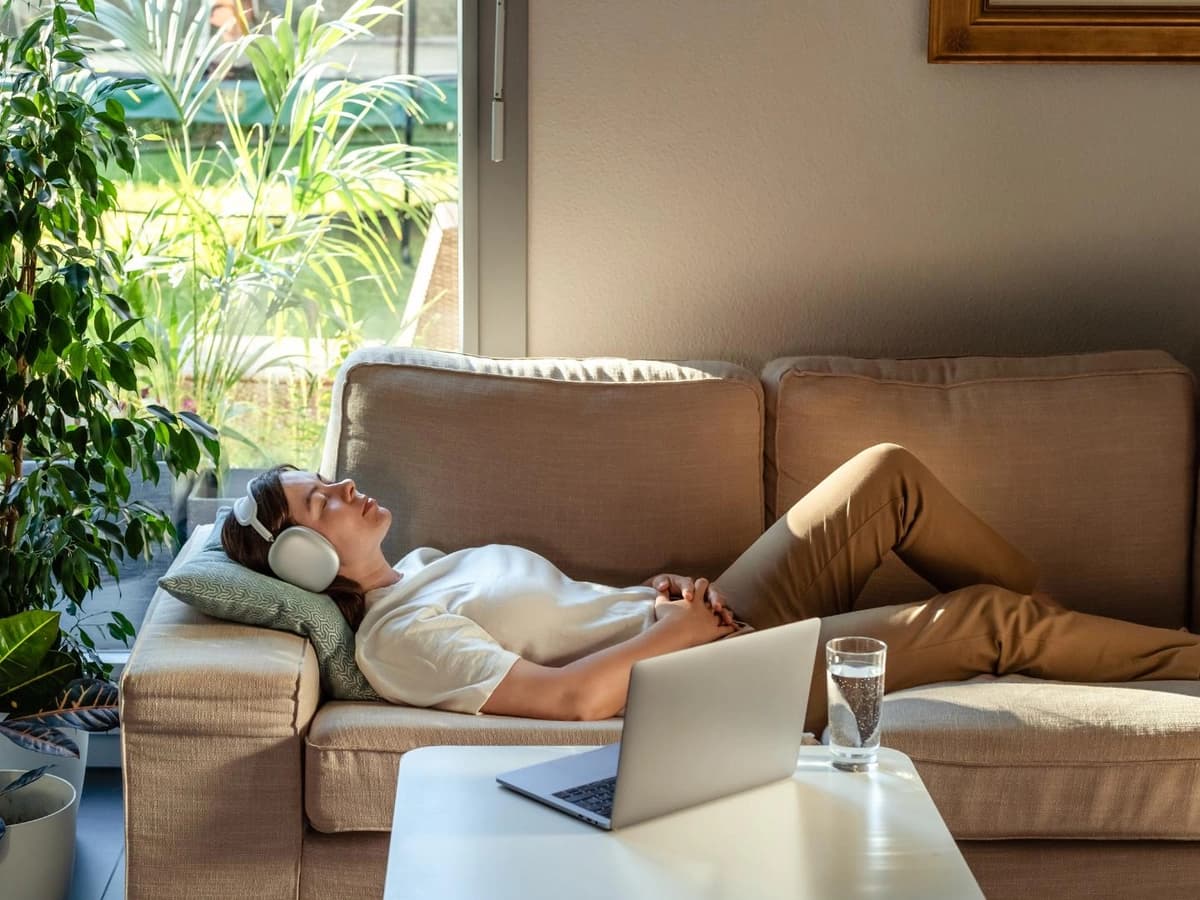
Not sure which fits you? Compare telepsychiatry and in-person therapy for anxiety—outcomes, privacy, cost, and when each is most effective.
Choosing the best way to treat anxiety often involves deciding where your appointments should happen. Many people now have the choice between visiting a local office or meeting with a doctor through a secure video call on their phone or computer. Both options offer high-quality care, but they provide different benefits depending on your schedule, your symptoms, and how you prefer to communicate.
Identifying the Differences: Telepsychiatry vs. In-Person Care
While both methods aim to help you feel better, they use different tools to reach that goal.
Feature | Telepsychiatry (Video) | In-Person Care (Office) |
Location | Your home or a private space | A professional medical clinic |
Communication | Synchronous video and audio | Face-to-face physical presence |
Scheduling | High flexibility for busy days | Limited to clinic office hours |
Travel | No commute or parking needed | Requires driving or public transit |
Best For | Mild to moderate symptoms | Crises or complex monitoring |
Both ways of receiving care focus on medical management and talk therapy to reduce your anxiety.
- Telepsychiatry is a part of telehealth where you talk to a psychiatrist or a nurse practitioner in real-time using a screen.
- In-person care is the traditional model where you sit in the same room as your provider, allowing for a full view of body language and physical cues.
These two styles work toward the same result: helping you manage your health and live a better life.

Success Rates for Anxiety Relief: When Outcomes Are Equal (And When They're Not)
Many people worry if a video call is as good as an office visit. Extensive studies show that for most people with anxiety, both ways work very well and produce similar results.
General Anxiety and Social Phobia
Research looking at numerous trials found that video visits are just as effective as office visits for treating common anxiety disorders. Patients who used video calls saw their symptom scores drop at the same rate as those who saw a doctor in person. This is especially true for social anxiety, where being in a familiar space can make it easier to start treatment without feeling overwhelmed.
Outcomes for Panic Disorder
If you suffer from panic attacks, you may wonder if a remote doctor can help as much during a crisis. Evidence suggests that panic-free rates after treatment are comparable for both video and in-person care. Doctors are trained to provide calming techniques and medication management through the screen just as they would in an office.
Staying With Treatment Longer
A major benefit of using video calls is that people tend to stick with their care for a longer time. It is much harder to miss an appointment when you do not have to worry about traffic or car trouble. Because patients find it easier to attend, they often make more progress and reach their goals faster than those who struggle with travel.
Clinical research consistently shows that online care is not a second-best choice. Most patients feel the same level of relief and happiness with their results regardless of how they meet their provider.
When In-Person Care Has an Edge
While video visits work well for most people with mild to moderate anxiety, there are situations where physical presence makes a measurable difference.
- Crisis intervention: If you are experiencing acute suicidal thoughts, severe panic attacks with physical symptoms (chest pain, fainting), or require immediate medication adjustments, in-person care allows your doctor to assess your physical state and intervene more safely.
- Complex diagnostic cases: If your anxiety co-occurs with conditions like eating disorders, substance use, or unexplained physical symptoms, doctors may need to observe your full body language, gait, and other non-verbal cues that a camera cannot capture.
- Severe avoidance patterns: For patients whose anxiety has led to extreme isolation or agoraphobia, the act of physically leaving home and arriving at a clinic can be a crucial part of the treatment itself—not an obstacle to remove.
Clinical science proves that online care is highly effective for most anxiety disorders, but it is not a universal solution. Honest conversations with your provider about your specific symptoms and living situation will help determine which format gives you the best chance at recovery.

Can You Build a Real Connection With a Doctor Over Video?
A good relationship with your provider is a big part of getting better. You might be surprised to learn that many people feel just as close to their doctor through a screen as they do in person.
- Feeling safer at home: Many people find it easier to speak honestly when they are in their own living room. This is called the disinhibition effect, which helps you share sensitive feelings more quickly.
- Focused eye contact: During a video call, both you and the doctor are usually looking directly at the screen. This can create a sense of deep focus that makes the session feel very personal.
- Reading non-verbal cues: Even though a doctor only sees your head and shoulders, they are trained to listen to your voice and watch your face for signs of stress.
- Building trust over time: Trust comes from the quality of the conversation rather than the physical room. Studies show that the "working alliance" or bond is equally strong in both settings.
Feeling safe and comfortable is what allows you to make real progress in your care. Whether you are on a couch in an office or a chair at home, a skilled provider will make sure you feel heard and understood.
How Much Time and Money Can You Save With Telepsychiatry?
Your daily schedule and where you live play a huge role in which option fits you. Choosing a path that is easy to stick with can make your treatment more successful in the long run.
Saving Time and Money on Travel
The cost of a therapy visit is more than just the doctor's fee. In-person visits require money for gas, parking, or bus fare. Telepsychiatry removes these costs entirely, allowing you to use that money for other needs. You also save the hours spent in traffic, which can reduce the stress that often makes anxiety worse.
Benefits for Busy Parents and Workers
For someone with a full-time job or young children, finding three hours for a one-hour appointment is difficult. Video calls allow you to have a session during a lunch break or while a child is napping. This flexibility makes it much easier for busy people to prioritize their mental health without disrupting their whole day.
Reaching Experts From Rural Areas
If you live far from a big city, there may not be many psychiatrists nearby. Online care gives you access to specialists across the state without requiring long drives. This is a major help for those in underserved regions who need specific types of care that are not available locally.
Telepsychiatry removes many of the hurdles that stop people from getting the help they deserve. Saving time on a commute often makes the difference between keeping an appointment and giving up on care.
Privacy Check: Is Your Home or the Clinic Safer for Therapy?
Security is very important when talking about your mental health. Both telepsychiatry and in-person care take your privacy seriously, but they protect it in different ways.
Security Need | Telepsychiatry Solution | In-Person Solution |
Medical Data | Locked physical file cabinets and restricted access | |
Conversation Privacy | You must find a quiet, private room | The clinic provides a guaranteed soundproofed space |
Anonymity | No chance of seeing neighbors in a waiting room | Professional, neutral space away from home |
Environmental Control | Dependent on your home situation | Clinic controls lighting, noise, and interruptions |
While doctors use high-level encryption to protect your video calls, you are responsible for ensuring no one else can overhear you at home. For many people, especially those living with family members, roommates, or in shared housing, this is not just inconvenient; it can be impossible.
If your home environment lacks true privacy (thin walls or shared spaces), in-person care provides a secure sanctuary where you can speak freely. For many, the physical safety of a clinic is a therapeutic necessity, not just a preference.
Can Virtual Tools Help You Overcome Social Anxiety in the Real World?
Exposure therapy is a proven way to handle social anxiety or specific fears. New technology allows doctors to guide you through these exercises while you are in a place where you feel safe.
- Virtual social practice: You can practice small talk or assertiveness skills through the screen with your doctor, reducing the initial fear of judgment.
- Screen sharing tools: Doctors use digital whiteboards or videos to help you visualize your goals and track your progress in real time.
- Virtual Reality (VRET): Some providers use VR goggles to let you "enter" a crowded room or a public speaking event while staying at home.
- Real-life observation: Your doctor can watch you interact in your own home, giving them a better idea of what triggers your anxiety in daily life.
Practicing social tasks on a screen can feel less scary at first than doing them in public, but it should be seen as a stepping stone, not the final destination. Research shows that long-term reliance on video-only therapy for social anxiety can become a form of avoidance itself. Your treatment plan should include a clear path toward practicing these skills in face-to-face settings once you build enough confidence. Virtual therapy prepares you; real-world exposure completes the healing.
Telepsychiatry vs. In-Person Therapy: Picking the Best Option for Your Health
Not every situation is right for a video call. Some health needs are better met by being in the same room as your provider.
When to Choose an Office Visit
An office visit is the safest choice if you have complex physical health needs or require specific check-ups (like monitoring blood pressure or heart rate for certain medications). It is also recommended if your home environment lacks privacy or stability.
Critical Note: If you are in an immediate crisis or have thoughts of self-harm, do not wait for an office appointment, go to the nearest emergency room or call 988 immediately.
When a Video Call Is Best
Telepsychiatry is ideal for routine therapy sessions, medication refills, and follow-up appointments. If your anxiety makes leaving the house feels overwhelming (agoraphobia), starting with a video call can be a manageable "first step" to getting care. It is also the most practical solution if you have a tight schedule or live far from specialists.
The "Hybrid" Approach
You don't always have to choose just one. Many patients start with an in-person visit to build trust and then switch to video calls for convenience. Ask your provider if a hybrid plan is right for you.
Start Your Path to Relief Today
Taking the first step is often the hardest part, but it is also the most important. Whether you choose the structure of a clinic or the comfort of your home, the goal remains the same: getting the support you deserve. You do not have to carry this weight alone. Reach out to a provider today to discuss which format, in-person, online, or a mix of both, fits your life best.
FAQs
Q1: Is online care as helpful as an office visit for severe social anxiety?
Studies indicate that video visits are as helpful as in-person therapy for social anxiety. Because patients stay in a familiar space, they often feel less stressed about the appointment itself. This helps them talk more openly with their doctor and stay in treatment longer.
Q2: Can a psychiatrist prescribe my anxiety medications during a video call?
In most states, including California, many anxiety medications can be prescribed through a video visit. Currently, federal regulations allow for the remote prescribing of many controlled substances, though these rules are subject to change. Always check with your provider about the latest requirements.
Q3: What should I do if I do not have a private place at home for my sessions?
If a quiet room is not available at home, an office visit is usually the better choice. Professionals provide a secure and private space where no one can overhear the conversation. This controlled setting helps patients feel safe while discussing sensitive topics with their provider.

Written by
Mindful Team