December 5, 2025
Stimulant vs. Non-Stimulant ADHD Medications: Which Is More Effective?
Mindful Team
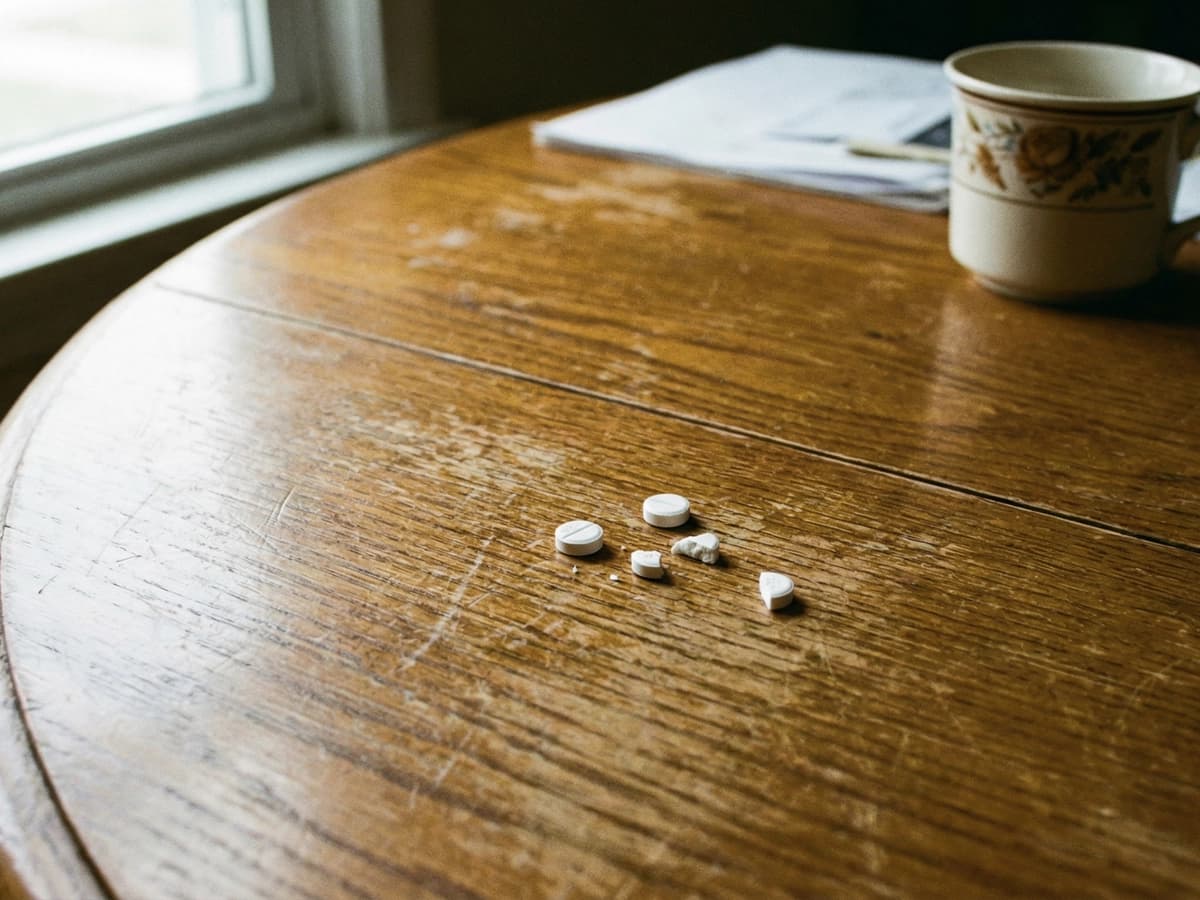
Confused about ADHD meds? Compare stimulant vs non-stimulant options, learn about effectiveness, side effects, and who benefits most to find the right treatment.
When living with ADHD, your focus might drift, impulses can be hard to control, and staying still can seem impossible. Thankfully, ADHD is a well-understood condition, and effective treatments are available. Alongside behavioral strategies and therapy, medication is often a cornerstone of managing ADHD symptoms. But when you hear about medication, you'll likely encounter two main categories: stimulants and non-stimulants. This naturally leads to the question: which type is actually more effective? The answer, as we'll explore, isn't a simple one-size-fits-all declaration. Both ADHD medication types have their place, and knowing their differences is key to finding the right fit.
A Closer Look at Stimulant ADHD Medications
Stimulant medications are often the first type of medication doctors consider for ADHD, and for good reason. They have the longest track record and are generally found to be highly effective for many individuals.
How Stimulants Work: Boosting Brain Messengers
Your brain's primary communication system relies on chemical messengers called neurotransmitters. In people with ADHD, critical messengers such as dopamine and norepinephrine might not be available or working as well in parts of the brain responsible for attention, planning, and impulse control. Stimulant medications primarily work by increasing the amount of these specific neurotransmitters. This action helps to improve communication between brain cells, leading to improved focus, decreased impulsivity, and decreased hyperactivity.
Common ADHD Stimulant Examples
Stimulant medications exist in two basic chemical classes, available under many different brand names and formulations (short-acting and long-acting):
- Methylphenidate-formulated: Ritalin, Concerta, Metadate, Daytrana (patch), Focalin
- Amphetamine type: Adderall, Vyvanse, Dexedrine, Evekeo, Adzenys
All of these are FDA-approved treatments for ADHD, rigorously tested for safety and efficacy when used as intended.
Stimulant Effectiveness for ADHD
The primary reason stimulants are often tried first is their high rate of effectiveness. Research shows that around 70-80% of people with ADHD find that stimulants significantly help reduce their core symptoms, for instance, trouble focusing or acting impulsively. This high rate shows strong stimulant effectiveness in ADHD.
Another big plus is their speed of action. You can often tell if a stimulant is helping within just hours or a few days of starting it. This fast feedback makes it easier for you and your doctor to see if you've found a good match. They directly help boost focus and cut down on hyperactivity and impulsivity.
Common Side Effects and Risks of Stimulants
While effective, stimulants do have potential downsides to be aware of. Common ADHD stimulant side effects can include:
- Appetite suppression (sometimes causing weight loss, especially in children)
- Trouble falling asleep
- Slightly increased heart rate or blood pressure, which requires monitoring
- Feeling irritable, especially as the medicine wears off ("rebound")
- Headaches or stomachaches (often mild and temporary)
- Rarely, worsening of tics (muscle twitches or sounds)
A significant consideration regarding ADHD drug safety is the potential for misuse, abuse, or diversion (giving or selling the medication to others). Because of this risk, they are classified as Schedule II controlled substances by the DEA, requiring careful prescribing and monitoring by doctors.
Exploring Non-Stimulant ADHD Medication Options
While stimulants are common, they are not the only players in the game. Non-stimulant medications offer helpful alternatives, with other mechanisms for managing ADHD symptoms. They are often employed when stimulants are not effective, cause bothersome side effects, or when certain patient factors make them more desirable.
How ADHD Non-Stimulants Work
In contrast to stimulants that tend to raise dopamine and norepinephrine, mechanisms of non-stimulant ADHD medications are more varied and often more targeted.
- Atomoxetine (Strattera) primarily works by selectively increasing the amounts of norepinephrine, another principal neurotransmitter involved in impulse control and attention.
- Alpha-2 Adrenergic Agonists (Guanfacine ER - Intuniv, Clonidine ER - Kapvay). These were originally introduced for the management of blood pressure but were found to be helpful with ADHD symptoms, too. They work on one particular receptor (alpha-2a) of the prefrontal cortex, a region involved in executive function, including regulating attention and impulse. They are found to enhance brain circuits that assist with focus.
- Viloxazine (Qelbree). A recent medication that also mainly acts on norepinephrine levels by a somewhat different mechanism than atomoxetine.
These drugs aim to increase ADHD symptoms, but through different neurological pathways than stimulants.
Common Non-Stimulant Examples
The main FDA-approved ADHD treatments in the non-stimulant category include:
- Atomoxetine (Strattera)
- Guanfacine ER (Intuniv)
- Clonidine ER (Kapvay)
- Viloxazine (Qelbree)
These are typically available in forms designed to provide consistent effects over the day.
Non-Stimulant Effectiveness and Benefits
Non-stimulant medications offer important alternatives within the available ADHD medication types. While they might not seem to work as strongly or quickly as stimulants right at the start for everyone, they are a crucial option.
- Slower onset. Non-stimulants take longer to show their full effect – often needing 4 to 8 weeks, or sometimes more. This requires some patience.
- Smoother coverage. Once they start working well, many provide smoother, more even symptom control throughout the day, avoiding the noticeable "ups and downs" some experience with stimulants.
- Lower abuse potential. A major benefit is their much lower risk of misuse or abuse. They aren't controlled substances, which adds to ADHD drug safety.
- Good option for co-occurring conditions. Non-stimulants can also be a particularly good fit for non-stimulant ADHD candidates – people who didn't respond well to stimulants, had difficult side effects, or have other conditions such as anxiety or tics where stimulants might not be ideal.
Potential Downsides and Risks of Non-Stimulants
Just as with any medication, ADHD non-stimulants have potential side effects and risks. Some common ones include:
- Feeling tired, drowsy, or sedated (especially with drugs such as guanfacine and clonidine)
- Dizziness or feeling lightheaded
- Upset stomach or nausea
It is also important to know specific risks for specific non-stimulants. Atomoxetine, for example, carries a very rare risk for liver issues (must be monitored) and a small elevation in risk for suicidal thoughts in young people (must be closely monitored, especially at first).
Stimulant vs. Non-Stimulant ADHD Medications: A Comprehensive Comparison Sheet
Factor | Stimulant Medications | Non-Stimulant Medications |
How They Work | Boost dopamine/norepinephrine for rapid focus and impulse control | Target norepinephrine or alpha-2 receptors for gradual emotional regulation |
Common Types | - Amphetamines: Adderall, Vyvanse - Methylphenidates: Ritalin, Concerta | - Atomoxetine (discontinued in 2023) - Guanfacine (Intuniv) - Viloxazine (Qelbree) |
Speed of Action | Work within 45–60 minutes; effects last 4–14 hours depending on formulation | Take 4–6 weeks to reach full effect; daily doses provide 24-hour coverage |
Effectiveness | Improves symptoms in 70–80% of patients | Effective for 50–60% of patients, especially inattentive ADHD |
Best For | - Hyperactivity - Rapid focus needs - Severe symptoms | - Anxiety/comorbid conditions - Substance abuse risk - Long-term stability |
Side Effects | - Insomnia - Reduced appetite - Increased heart rate - Dependency risk | - Fatigue/drowsiness - Stomach discomfort - Mood swings (rare |
Safety Considerations | Avoid with heart conditions or substance abuse history | Safer for patients with anxiety, sleep issues, or stimulant intolerance |
FDA Approval | Yes (Adderall, Vyvanse, Ritalin, etc.) | Yes (Intuniv, Qelbree); some off-label use of antidepressants. |
Ideal Candidates | Adults/children needing quick results; no heart or substance abuse concerns | Patients prioritizing safety over speed or with stimulant side effects |
When to Choose Which?
Stimulants are first-line medications for quick relief of symptoms but have risks such as insomnia and addiction. Non-stimulants offer a safer alternative for long-term use, especially for anxiety or drug abuse problems.
- Use stimulants when: You need urgent concentration for school/work, you have no cardiac conditions, and can manage side effects.
- Select non-stimulants if: You have anxiety, sleep problems, or prefer to experience gradual, persistent symptom relief.
Combined treatments (therapy + medication) typically yield the most effective outcomes for treating ADHD. Always seek a medical practitioner to adapt treatment to your individual needs.

Finding Your Best ADHD Treatment Plan
Figuring out the right ADHD medication takes teamwork between you and your healthcare provider. It's more than just choosing between stimulant and non-stimulant ADHD drugs; it's about finding what fits you best.
The journey starts with a thorough evaluation by a doctor familiar with ADHD. They'll consider your symptoms, health history, and other factors. While stimulants are often tried first because they work well for many, non-stimulants are important options, especially for certain non-stimulant ADHD candidates.
The usual approach involves:
- Starting low. Doctors begin with a low dose and adjust slowly to find the right balance between benefits and side effects.
- Regular check-ins. Talking often with your doctor is crucial to monitor how things are going and making changes if needed. Keeping a simple log of symptoms and side effects can be very helpful.
- Trial-and-error. Finding the ideal medication and dose might take time and trying different options.
- Considering combined strategies. Finally, remember that medication usually works best as part of a bigger plan. Combining ADHD medication and therapy (such as counseling or coaching) often leads to the best results. Behavioral interventions for ADHD, school support, and healthy habits, including good sleep and exercise, are also key parts of successful combined treatment strategies. Therapy can teach coping skills and strategies that medication alone cannot.
Select the Proper ADHD Medication for Yourself
So, which type is more effective? While stimulants often work faster and show strong initial results (stimulant effectiveness for ADHD) for many, they aren't the only answer. Non-stimulant medications are also effective and very important options. They offer advantages such as lower abuse risk and smoother symptom control, and they're great alternatives if stimulants cause issues or aren't a good fit. True effectiveness is about finding the medication that helps you the most, with side effects you can manage.
FAQs About ADHD Medication
Q1: Can you switch from a stimulant to a non-stimulant (or vice-versa)?
Yes, of course. Switching between classes, or even between drugs within the same class, is routine under a physician's supervision. This is usually done if the initial drug isn't strong enough or has undesirable side effects. Your physician will instruct you how to switch safely (e.g., tapering off the initial drug).
Q2: Can stimulant and non-stimulant medications be taken together?
Yes, in some situations, physicians do order mixed regimens of treatment consisting of a non-stimulant and a stimulant. An example would be a non-stimulant providing an initial amount of control of symptoms, and a stimulant is added for extra protection in peak demand times, including school or work settings. It is a specialized approach determined by a healthcare professional.
Q3: Which type is generally better for adults vs. children?
Both stimulants and non-stimulants are FDA-approved ADHD medications for children, adolescents, and adults. Choice of treatment is determined less by age and more by individual factors such as symptom profile, co-occurring conditions, sensitivity to side effects, and personal factors (e.g., risk of diversion, need for smooth coverage versus rapid onset).
Q4: How long does it take to know if a non-stimulant is working?
Patience is virtue. While some fine effects might appear sooner, it usually requires 4 to 8 weeks, sometimes longer, at an effective dose to determine the greatest benefit of most non-stimulant medications, such as atomoxetine, guanfacine ER, or clonidine ER.

Written by
Mindful Team