March 21, 2026
How to Read Wearable Sleep Data: Latency, REM & Efficiency Explained
Mindful Team
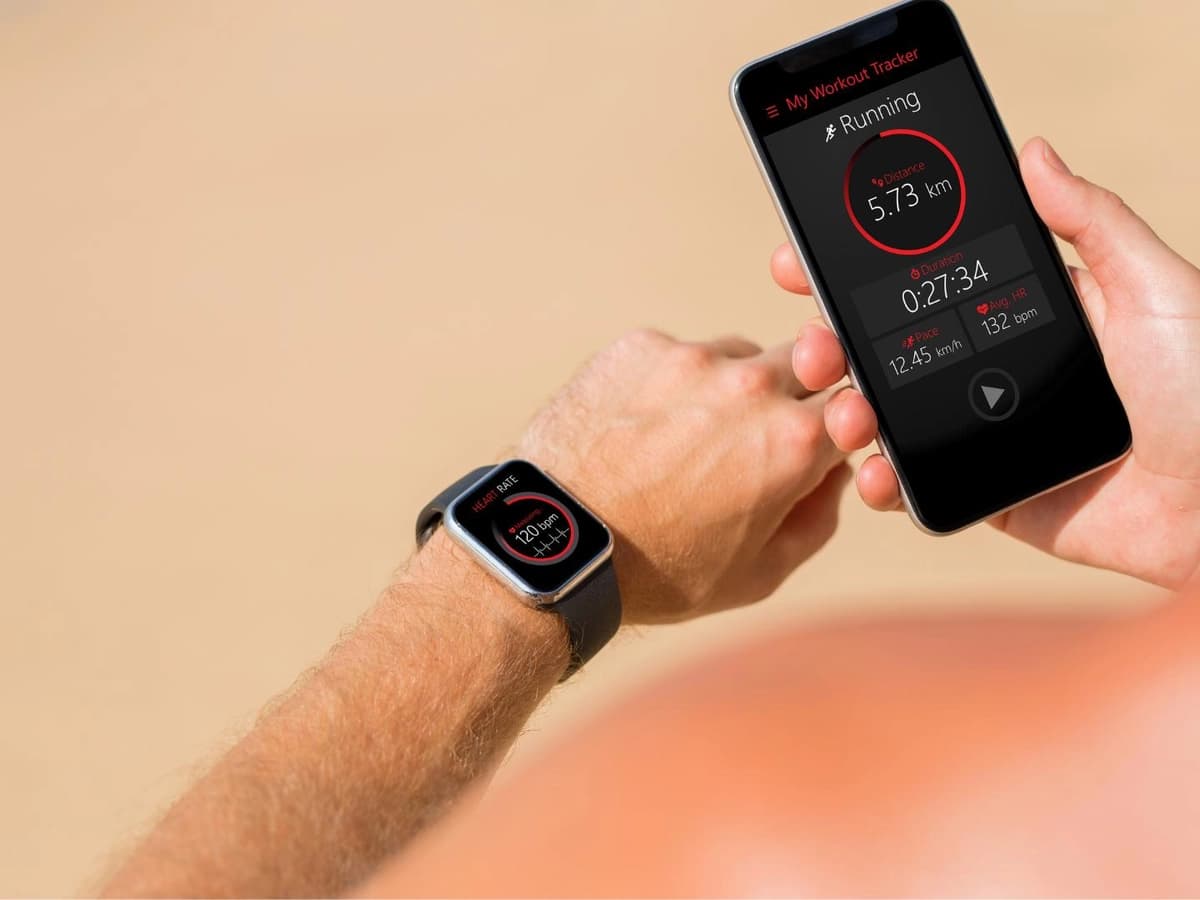
Make sense of your wearable sleep data—what latency, REM and sleep efficiency actually show, where trackers fall short, and how to use trends to sleep better.
Sleep trackers have become part of daily life for millions of people. Smartwatches, rings, and fitness bands can tell you how long you slept, how many times you woke up, and what sleep stages you cycled through. But what do these numbers actually tell you? And how much should you trust them?
What Sleep Trackers Actually Measure
Your wearable device estimates sleep using two main sensors:
- Accelerometer: Detects movement
- Photoplethysmography (PPG): Monitors heart rate through light sensors on your skin
The device combines these signals with algorithms to guess if you're awake or asleep, and which sleep stage you might be in.
Clinical sleep studies work differently. They record brain waves, eye movements, muscle activity, and breathing patterns, which are the medical standard for accurate sleep measurement. Since wearables can't read brain activity, their sleep stage estimates (light sleep, deep sleep, REM) remain approximate at best.
Sleep Latency: How Long It Takes You to Fall Asleep
Sleep latency measures the time between getting into bed and actually falling asleep. For most healthy adults, this takes 10 to 20 minutes.
- Under 10 minutes: You might be overtired or carrying significant sleep debt
- 30 minutes or longer: You could be dealing with stress, late caffeine or nicotine use, too much screen time, or other sleep disruptors
Why Your Tracker Might Get This Wrong
Wearables detect sleep onset through changes in movement and heart rate. The device might think you are asleep if you lie still while you are awake, like when you are reading or thinking. It can also happen the other way around: times when you're restless but drowsy might be registered as wakefulness.
How to Use Latency Data
Don't get stuck on one night's number. Instead, keep an eye on the trend across one or two weeks. If the latency is always more than 30 minutes, that trend is more important than any single reading. If the problem doesn't go away, you might need to change how you go to bed, stop drinking coffee earlier in the day, or see a doctor.
Sleep Efficiency: The Percentage That Matters
Sleep efficiency shows how much of your time in bed was actually spent sleeping. The calculation is simple:
Sleep Efficiency = (Time Asleep ÷ Time in Bed) × 100
Most healthy adults fall somewhere between 85% and 95%. If the number is low, it means you're either having a hard time falling asleep or waking up repeatedly.
What the Device Can't Detect
Wearables tend to overestimate sleep efficiency. They often miss brief awakenings (under a minute or two) and may confuse quiet wakefulness with light sleep. So if your tracker shows 90% efficiency, the real number might be a few points lower.
If your efficiency consistently reads below 80-85%, you might be experiencing fragmented sleep. That's a good reason to review your sleep environment: room temperature, noise levels, mattress comfort, and your pre-bed habits.
REM Sleep: The Measurement That's Hardest to Get Right
What Wearables Do | Estimate sleep stages using heart rate, movement, and algorithms |
What Medical Studies Do | Measure brain waves, eye movements, muscle tone, and breathing, etc. in polysomnography (PSG) |
What You Actually Get | Rough guesses that are sometimes correct but frequently misclassified |
Recent research on healthy adults showed that wearables could detect sleep versus wake states with over 95% accuracy. But REM detection was far less reliable; the accuracy ranged from 50% to 86%, depending on the device and individual factors.
The problem is simple: REM sleep involves rapid eye movements and specific brain wave patterns. Your wearable can't measure either. It's making educated guesses based on heart rate variability and reduced movement, which sometimes align with REM but often don't.
That said, if your tracker says you got 60 minutes of REM sleep last night, treat that as a ballpark estimate. It might have been 40 minutes. It might have been 80. The number gives you a rough sense of whether REM is happening, not an exact measurement of how much.
How to Actually Use Your Wearable Sleep Data
You have the numbers. You see the trends. So what should you do with all this information?
Track Long-Term Patterns, Not Single Nights
A single night's data tells you almost nothing. Your sleep naturally varies from night to night based on stress, activity level, diet, and dozens of other factors. Track trends across two weeks or a month instead.
Match Data with How You Feel
Numbers don't capture everything. If your tracker shows great sleep but you're exhausted all day, trust your body. If the data looks poor but you feel rested and alert, that matters more.

Use Data as a Prompt for Better Habits
Sleep tracking works best as a feedback tool for behavior changes:
- Consistent wake time: Going to bed and waking up at the same time helps regulate your body clock
- Caffeine cutoff: Stop caffeine intake 6-8 hours before bed
- Screen limits: Reduce bright screens in the hour before sleep
- Room conditions: Keep your bedroom dark, quiet, and cool (around 65-68°F works for most people)
- Nicotine timing: Avoid nicotine close to bedtime
Know the Limits
Wearable data isn't a medical diagnosis. If you have persistent daytime fatigue, loud snoring, gasping during sleep, or chronic insomnia, schedule a proper sleep evaluation. Your doctor might recommend a sleep study that measures what wearables can't.
Optimizing Daily Habits Using Sleep Data
Think of your tracker as a helpful observer rather than a strict medical tool. It captures your total rest time and restlessness well, even if the specific deep sleep numbers are just estimates. Use these broad clues to spot how your daily choices impact your nights. Focusing on these general trends helps you adjust your routine and get better rest.
FAQs
Q1: What is a healthy sleep efficiency number?
A sleep efficiency level between the mid-80s and 95% is usually good for most healthy people. Values that stay below 80–85% for a long time may indicate fragmented sleep or that you wake up a lot during the night.
Q2: If my sleep tracker shows long sleep latency, does that mean I have insomnia?
Not necessarily. A long sleep latency reading on a single night only means that you had trouble going to sleep that night. It could be because of short-term stress, using nicotine or caffeine late at night, or not getting enough sleep. If a long delay lasts for many nights and affects daytime function, it might warrant review of habits or a professional consultation.
Q3: How should I use wearable sleep data to improve sleep quality?
Look for patterns over time by using the data. If you regularly see poor latency, efficiency, or overall sleep duration, you might want to improve your sleep habits by setting a fixed bedtime, cutting down on stimulants before bed, limiting screen time, and making your bedroom a calm place. Tracker data and your own feelings of restlessness can help you make changes.

Written by
Mindful Team